Swiss mountains with grass/scrub in front. Cloudy. Silent wind.

Silence in the Wind

Have you ever stepped out of a loud restaurant and felt the relief of silence? In that moment, nothing is more precious. We take a deep breath, our shoulders drop, and eventually our ears stop ringing. 

Welcome to the sound of a gentle wind from the mountains in Arosa, Switzerland. It’s the closest to a recording of silence I can find. I use earbuds and continue writing as I listen. Periodically, I pause to close my eyes and drop into deeper rest: 

Within a few minutes of sound wash, I begin to relax. Body and brain steep in silence and surrender. A clear effortless focus emerges without the chatterbox mind interrupting. 

Last month, I again attended a Day of Silence at a nearby, carefully tended renewal center surrounded by nature. 

At an opening meeting, the facilitator offers practices/ideas such as wandering in the woods, photographing the beauty of the day, creating art. Or my favorite, choose a comfortable spot. Do nothing. Adjust yourself to a different view and do nothing again.

Then she rings a bell and hours of silence follow. 

At day’s end, we share around the circle what silence is for us. A day of ungrasping, one woman says. A comfort and an allowing all that is, shares another. An energizer, says a third. 

For me, it’s a huge blessing to be with others and not have to talk. To be quiet in nature and listen to my heart first, in this very moment.

Yes, the value of silence is being explored by science. Books with lots of words have been published on its benefits. In the end, though, it comes down to an individual experience of the timeless heart. 

Mozart said: The music is not in the notes, but in the silence between.

So ask, what’s my window into silence? Then, go through. 

That is living as music.

Subscribe here for Living As Music

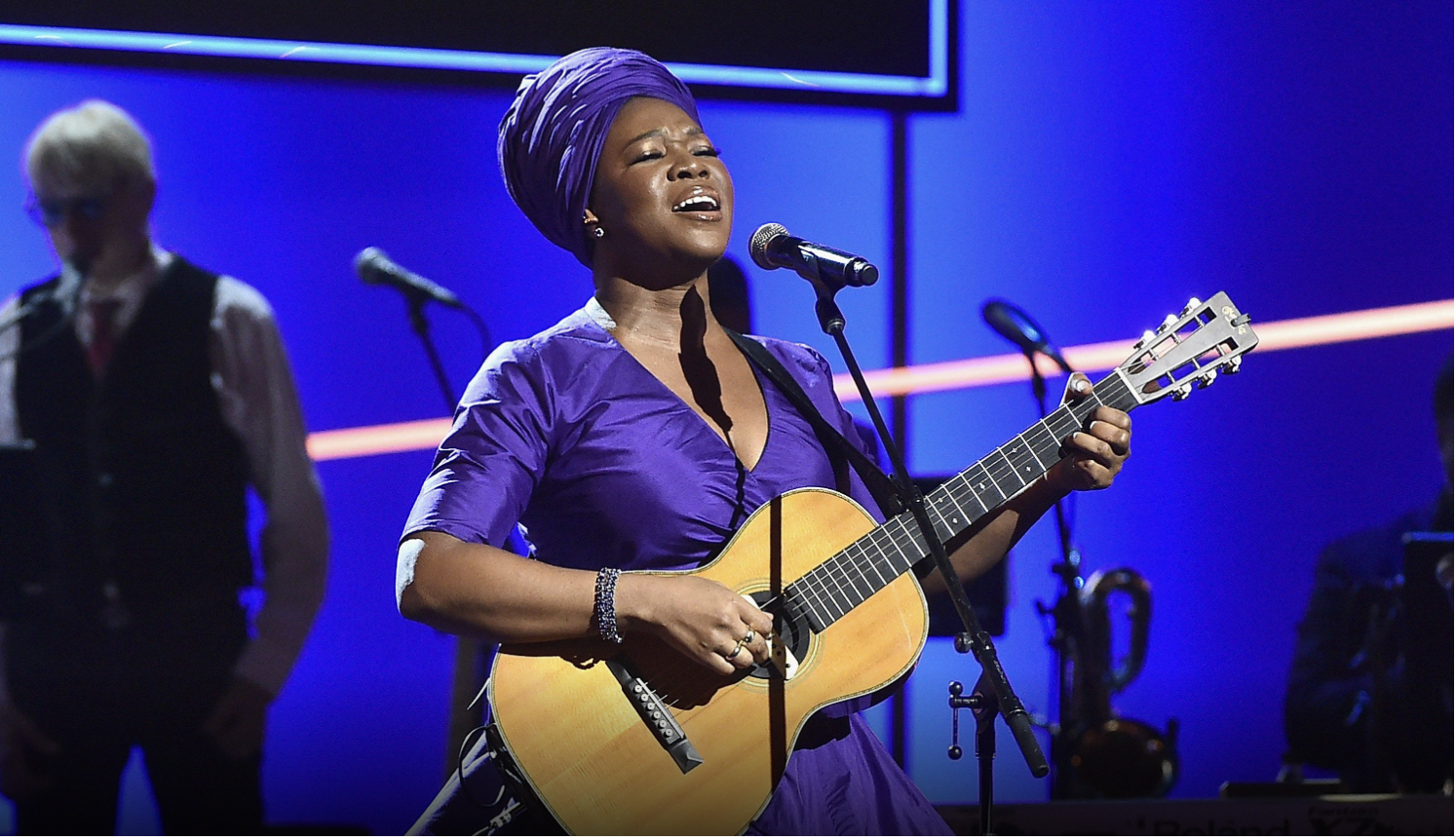
Singer/guitarist India Aire performing at the Grammy awards in brilliant purple dress

Your Life Playlist

Full disclosure—I’ve never created a playlist. As a songwriter starting in my teens, music is about getting the sound I hear inside me out into the world. I hadn’t seen any reason to curate songs. That is, until my friend Lisa forwarded me an article on how playlists can be used purposefully. 

I began to muse on songs I love and their impact on me. Here is one of my favorites by India Arie. Her soulful voice, heartfelt lyrics, and simple, elegant guitar playing top my list of tunes that remind me who I am and why I’m here:

My whole-being response to this song wakes me up to the value of playlists. They are the outside we choose to influence the inside. And the greatest joy of creating any playlist is that it puts us in charge of our state of consciousness.  

We cultivate based on free choice—to change a mood, release emotional buildup, rest the body and mind, gear up for a workout, study a new concept, forgive ourselves, heal our heart, connect with the divine [here’s a great one for that].

We consciously guide our song selection by this alignment to create an internal state. Or we compile an expression to share. I’ve heard about playlists for novels, poetry collections, plays, brands, and even a memorial party!

Music is a powerful conduit for consciousness. And for those of us who hear music on the inside, it may be our most sacred soundtrack.

We can gather the sounds that send us towards our dreams. Then, watch how our outer world responds to reflect our musical choices. It surely will.

That is living as music.

PHOTO: THEO WARGO/GETTY IMAGES

Subscribe here for Living As Music

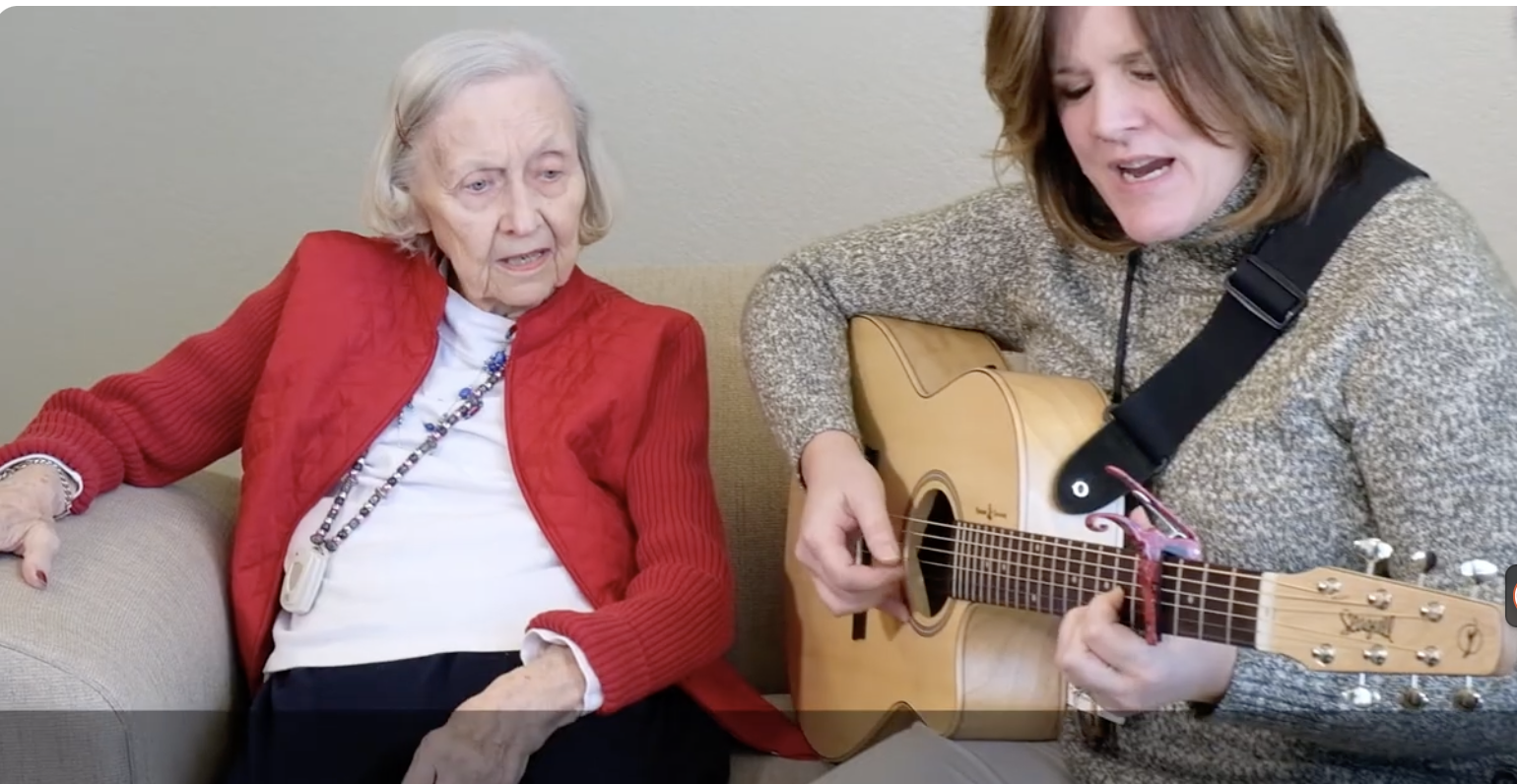
Joan and her music therapist Roxie singing together.

Age Gracefully with Music

If you’d like to prevent memory issues, turn on the tunes! Meet an inspiring elder, Joan, and her music therapist, Roxie. I’m astounded by the beautiful, clear quality of Joan’s voice and her pitch-perfect recall of the harmony part of a favorite hymn: 

Does Joan remember all the words? No. But she remembers the sounds. Seniors with memory issues teach us how music bypasses parts of the brain that no longer fully function. 

But can musical activities lower risk for dementia and help us age gracefully?  Time to geek out on some stats.

Last week, my friend Tim introduced me to a 2025 study revealing benefits of music on cognitive aging. This new study out of Monash University in Melbourne, Australia (in conjunction with two American partners) studied 11,000 adults aged 70+. Two longitudinal studies supported by the National Institutes of Health provided underlying data.

The study analyzed dementia-related outcomes for older adults who listened to music, played a musical instrument, or did both, at various levels of frequency. 

Here’s a summary of some key results (pun intended):  

  • Listening to music often was associated with a 39% reduced dementia risk,
  • Playing an instrument was associated with a 35% reduced dementia risk,
  • Regularly engaging in music listening and playing was associated with a 33% decreased risk of dementia and 22% decreased risk of cognitive impairment no dementia (CIND).

Beyond the promising science, it’s fun to listen to, dance to, or play music throughout our lives. Sounds that bring back happy memories or create joy in this moment uplift us!

Today, we can start a new habit that takes advantage of music to age gracefully.

So, turn on the tunes, grab the guitar, or sing in the shower. Besides the short term fun, we’ll be investing in long term benefits for ourselves, family, and friends.

That is living as music. 

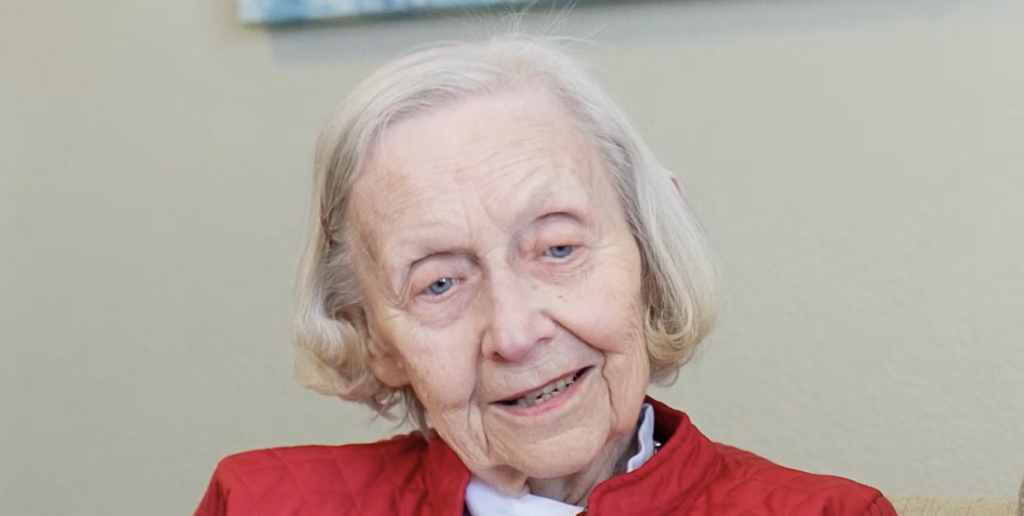
Picture of Joan smiling. She has dementia and loves to sing

Subscribe here for Living As Music

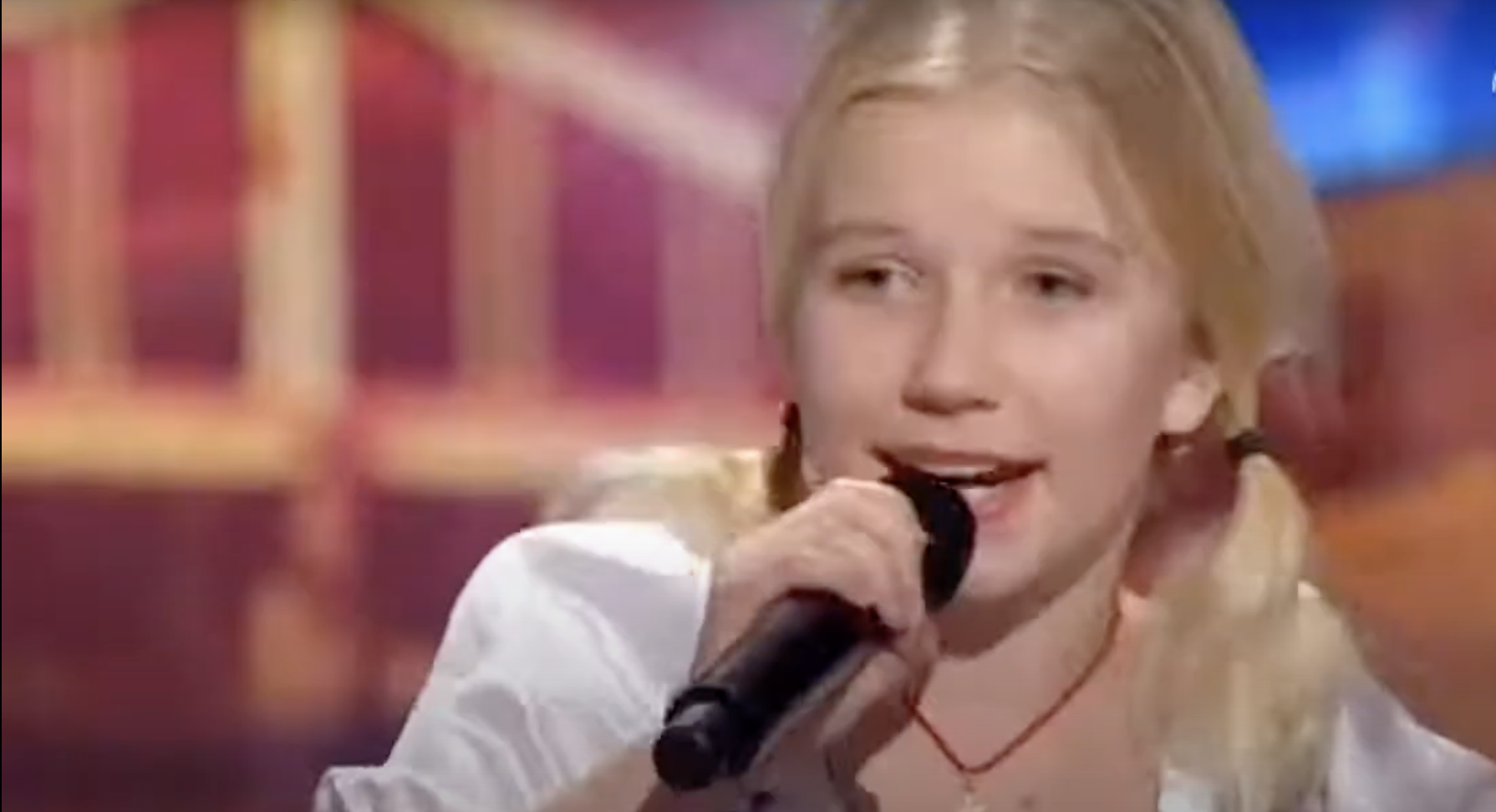
11-year-old blonde girl yodeling at TV competition

Yodeling Day?

I’ll bet you’ve never heard of Yodeling Day. You’re welcome. This January 30th, you can join voices around the world that celebrate with contests or in community practice. And before you dismiss yodeling, like I did, as belonging to Alpine mountaineers and sheepherders, you need to meet a well-known Ukrainian.

She’s not an old man in lederhosen, though this young yodeler might make you reconsider reincarnation. Check out Sofia Shkidchenko wowing the judges in talent competition as an eleven-year-old (2 min):

As if that isn’t impressive enough, eighteen-year-old Sofia yodels Mozart [say what?] at the 2024 Winner’s Concert of the Boston International Music competition (3 min): 

Clearly, yodeling isn’t just some quirky, folksy vocal technique of fast flipping from chest to head voice. It’s an art form of recognizable value. Check out these facts:

  • In 2025, Switzerland’s yodeling was recognized by UNESCO as an intangible cultural heritage—which includes oral traditions, performing arts, festive events, and traditional craftsmanship.
  • Physical benefits of yodeling include strengthening vocal cord muscle fibers and increasing lung capacity for cardiovascular health.
  • Yodeling even releases endorphins. 

What’s not to love? 

I’m game for playing with a yodel for vocal agility and performance confidence [go big or go home]. What new vibration could launch the new year for you? A whistle, a mouth sound effect, or just louder laughter?

New sounds bring fresh energy!

That is living as music. 

Subscribe here for Living As Music

Ride, Red, Ride!

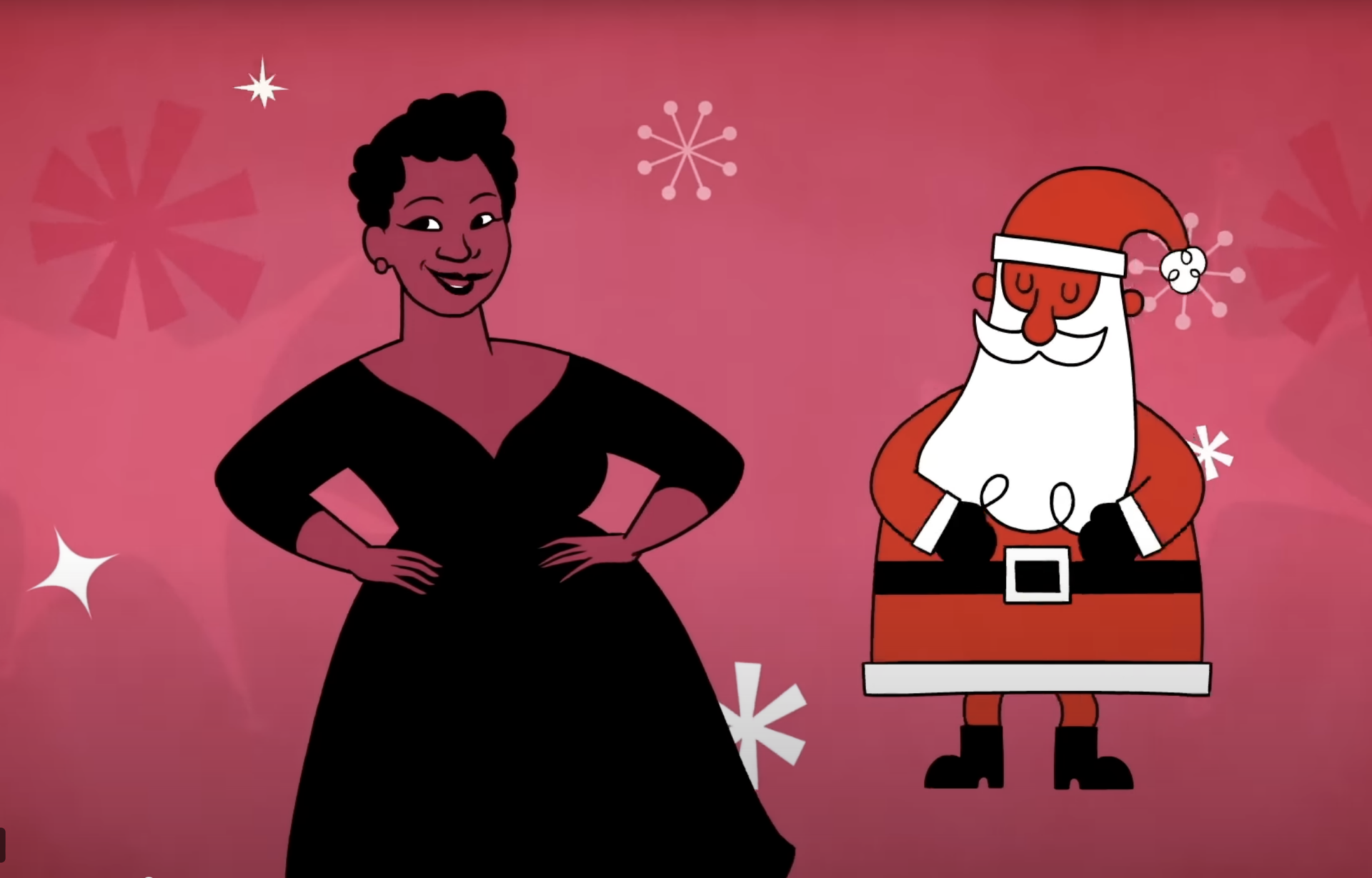
This is the one holiday tune you must hear because some songs break the mold. Ella’s version of Santa Claus is Coming to Town literally redefines holiday joy. (2 min) 

What is it about holiday music that reaches into our consciousness, igniting memories that set our expectations for upcoming celebrations? 

Some festive songs always lift us. Other melodies weigh us down when repeated ad nauseum in bricks and mortar retail. But a remake has the power to can shake us out of weepy nostalgia (positive or otherwise), and bring fresh spirit to this moment. 

Traditions aren’t a bad thing. Christmas trees bring the smell of pine, holiday baking infuses cinnamon and nutmeg, reading ‘Twas the Night Before Christmas or watching Love Actually for the 17th time can bring togetherness and goodness. 

And, we can also look for what’s new. Decorate to a different drummer than the little drummer boy. Learn how other cultures celebrate. Re-invent a recipe with ras-el-hanout, give gifts to neighbors we haven’t even met, or write a holiday limerick.

Let’s embrace the pulse of the present and get creative in bringing joy! It’s fun to combine the best of tradition with playful invention. 

My husband and I once hosted a New Years Day Pajama Brunch. Our friends arrived in PJs—one even rode the train up from Manhattan before public PJs were cool. Ride, Red, Ride! 

That is living as music.

*********************************
Did you miss last month’s adorable otter? Meet Leya, whose life was saved by music.

Subscribe here for Living As Music

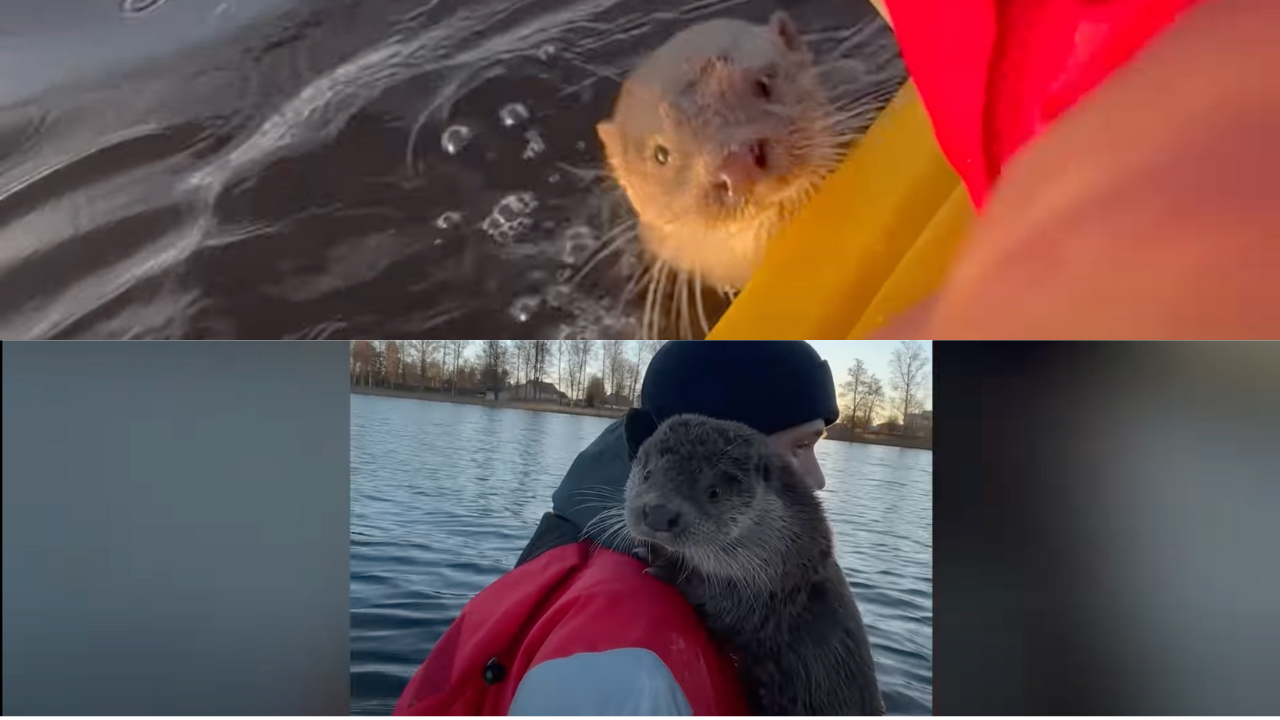
Otter looks up at the man in his kayak from the water and rests on his shoulder in a second photo

A Man and An Otter

While researching the extraordinary world of music, I came across the story of a man who saved a baby otter. Not by playing music, but by living as music. What do I mean?

Watch how this man attunes himself to the otter in every beat of her recovery and growth (8 min.— longer than usual, but so joyful, sweet, and fun).

How does this man succeed in tuning into a fellow creature?

  • He listens closely. 
  • He harmonizes with her, making adjustments to tend her with utmost care.
  • He serves her at the rhythm of her development.
  • And, just like musicians, they play together!

And he did this for two years before she was ready to return to the wild. That’s patience.

What musical parallels did you notice while engaging in this beautiful story? 

Whatever you discovered may reveal your gifts in relationships with others and with life.
It’s good to bring forth our gifts, so they sing.

That is living as music.

***********************************
P.S. Living as music takes self-awareness. If you’d like to explore the connection between conscious living and conscious leadership, I’m a contribution author to this Amazon bestseller, Leading with Self-Awareness, Starting from the Inside Out. You may discover more of your gifts in this book.💛

Subscribe here for Living As Music

Owl montage, 5 kinds

Why Listen to Nature?

The other night, I stepped out onto the back patio, drawn by a sweet smell and cool breeze. I found myself rocking slightly back and forth with the wind in the trees, when I heard a Great Horned Owl. I became still, my senses alert, and filled with awe.

Coincidentally, my friend Tim had forwarded me an article on listening to birds that ended with this: Birds live in the moment, and when I’m listening to them, so do I.  A Great Horned Owl’s call brought the writer to a heightened state of aliveness. Clearly, we both felt pierced with presence.

Here are several striking owls calls in a two minute clip. You may want to close your eyes and imagine your own after-dark experience:

Would you like the science on the benefits here? Mo, another reader, shared a scientific study on the effects of listening to sounds of nature vs urban sounds. This article speaks to nature’s impact on body and mood, including lowering blood pressure, reducing inflammation, and increasing positivity.

What busyness keeps us from stepping outside and going silent inside? Is it so hard? Sometimes I find myself so churned up with daily stuff that taking a moment to step beyond the sliding glass door into my backyard seems daunting. 

Yet, it’s exactly what I need. The night I heard that owl, I slept better than I had in days. I remembered that humans aren’t the only species on the planet. As I took deeper breaths (just naturally, not yoga-forcing), I rediscovered a rhythm that’s calm, connected to all life, and far more enjoyable.

So, here’s permission to be as wise as an owl. Let’s step out beyond that inertia when the pressure of our next to-do item or our binge-watching wants to take charge. Let’s listen to the birds, and remember.

That is living as music.

Subscribe here for Living As Music

Three teen siblings singing in harmony

Unexpected Harmony

Last winter, my husband and I got in a car accident. A young driver pulled out from a side street  to cross our lane and make a left turn. We couldn’t brake in time. We hit the driver’s side door, shattering glass and sending the alarm keening into the night. Our car was totaled. 

Aside from being shaken up and having mild whiplash, we walked away pretty much unscathed. When I woke the next morning feeling surprisingly intact, the song title, “Amazing Grace” came to me.

I’ve searched for hours for a simple, beautiful version of one of the best-loved songs ever written. No famous recordings brought chills like the unexpected acapella harmony of these teen siblings (3 min):

Isn’t that stunning? Pure and true. Watching them reminded me of the innocence of the 17-year-old who pulled out into our path. 

Oddly, I experienced that accident as more of a healing than a car crash. For some reason we were meant to participate in a young man’s life lesson. As I sat with him on the curb waiting for the police, he kept saying, My Dad is going to kill me. Then he asked quietly, Am I going to go to jail? 

Remember that teenage vulnerability? No sweetheart, I answered, you’re not going to go to jail.

The next day, my chiropractor said my spine was actually better after the accident than before. The jolt improved my alignment. Who knew that was possible? More grace. 

Sometimes the synchronicity of an experience is truly music in motion. We really never know when we walk out the door what or who we’ll meet. But if we stay open to amazing grace—an unexpected or miraculous gift—it may come. 

That is living as music. 

Subscribe here for Living As Music

colorful painting of female singers

Bucket of Love

I learned a surprising truth about music when performing an acapella tune called “Bucket of Love.” Written by singer/songwriter Meg Tennant, this three-part harmony song carries a power all its own—a sound current of love. 

Take a listen to the original recording. It’s a big wow: 

Our trio prepared well. Tech rehearsal on Thursday night enlivened us. Every musician backstage came forward to listen, and they cheered us wildly at the end. 

Saturday night’s performance presented a different story for me, personally. I had a tough day, and by evening my body was tired and my voice felt weak. The other two singers came out of the gate on our first note with such force that I thought, I’m in trouble. 

I had a choice. Do I try to push the sound out, or do I relax into the resonance of my instrument, knowing some low notes would be barely audible?

I chose to stay true to my instrument in the moment and allow the sound to be.

Here’s the surprise: the feedback we got was so overwhelmingly positive, that I had to wonder what happened! What were they hearing out in the house? 

A trusted friend in the audience said something else came through our voices. 

The song’s musical flow and lyrical story carried outward on that powerful sound current, landing in the listeners. The truth is that music coming through a pure heart rides a wave, no matter what. Flow over push delivers buckets of love.

It takes both creator and performers to surrender ego and be conduits for that primal sound. It’s the love needed for our very survival—the one that assures us no matter how things may appear, all is well.

That is living as music.

Subscribe here for Living As Music

Snow Raven, singer, in elaborate blue and gold costume singing at the microphone

I Am a Wind Instrument

My first lesson with a new singing teacher rocked my world. You are a wind instrument, she said, and I couldn’t imagine how I’d missed this blatant truth. Without air, we cannot make sound. We give shape and form to the wind itself.

Now, meet a remarkable woman who explores this connection in an astonishing way. Snow Raven is an indigenous singer from the Arctic Circle who learned to mimic nature sounds. Hear how she embodies the principle of being an instrument:

Snow Raven amplifies our kinship with the natural world while expanding our view of the human voice. [Her 8-minute TED Talk “How I Imitate Nature’s Voices,” includes several examples. If you’re a loon lover, just wait!]

What is it about this instrument we carry that’s so intriguing? Most of us barely recognize the gift of making sound. We’re often locked into narrow communication confines needed to navigate daily life.

Not that we all want to sound like the wind or a coqui frog. But, honestly, how much do we limit our expression? Would we like to be more vocally creative or daring? To give voice to some essential part of ourselves that wants to be shared?

Here’s an experiment. Try saying to yourself, I am a wind instrument, and see how it feels. Because as much as we can’t make sound without air, air can’t make sound without us.

Discover what your voice can do, if only in the privacy of your own car or shower stall. Risk singing out when no one’s around or speaking up when you know it’s your turn. 

Let’s play with sound—natural, tribal, truth-telling, or non-sensical—and see what we learn about ourselves, our wind instrument, and our connection to all life.

That is living as music.

Subscribe here for Living As Music